
The event took place on the 10-11th of December, 2024. It was held in two stages: the first day – open discussion panels, the second day – a closed simulation game. Official partner of event became New Easter Europe.
The event program included two discussion panels.
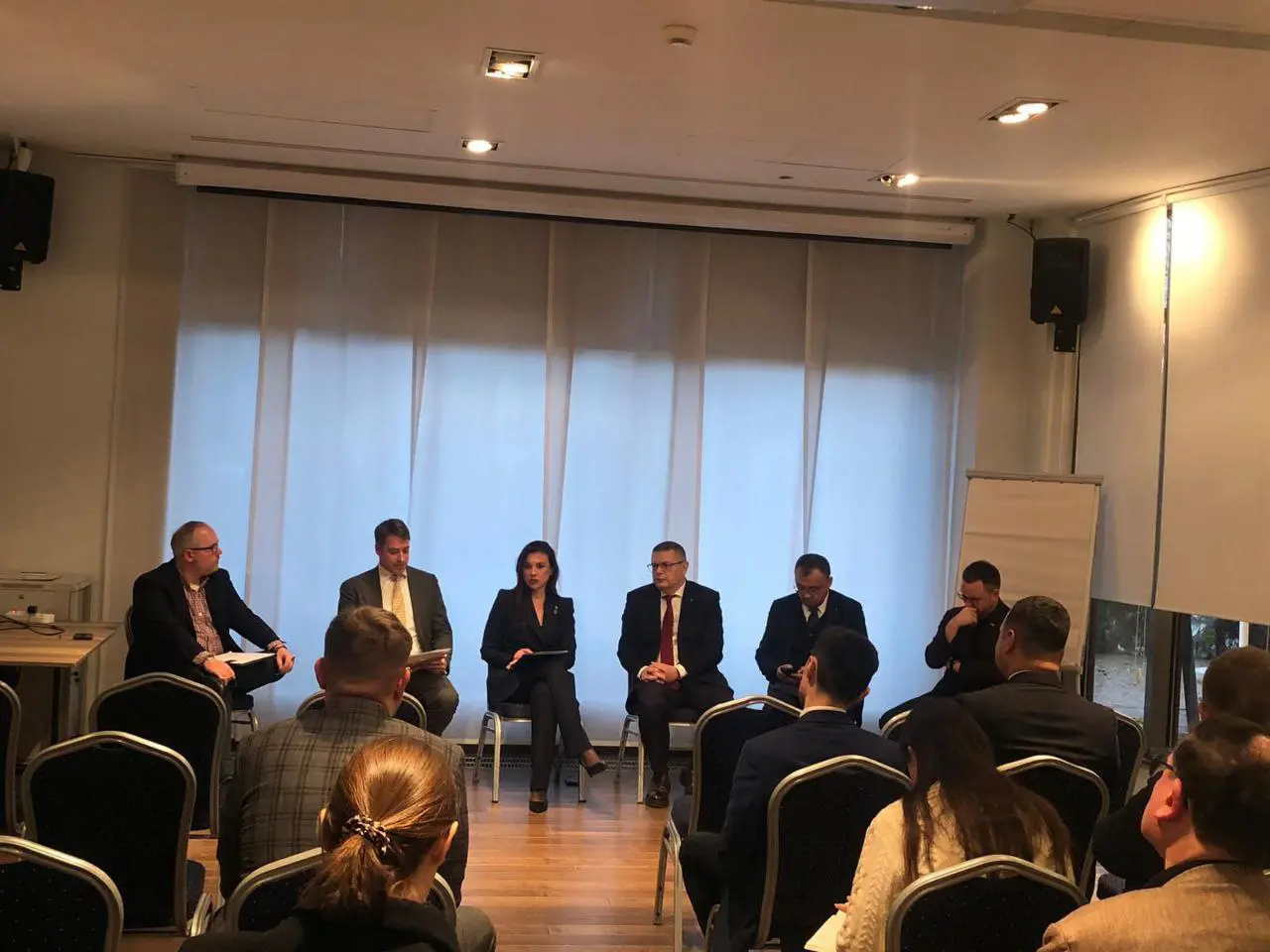
The first panel on the topic «How to modernize the architecture of international security? Conclusions based on the results of the war and potential future scenarios» was opened by Jan Huisman and the Extraordinary and Plenipotentiary Ambassador of Ukraine to the Republic of Poland Vasyl Bodnar.
Other panel participants joined the discussion – a deputy of the Verkhovna Rada of Ukraine, Chairman of the Committee on International Relations Oleksandr Merezhko, a deputy of the Verkhovna Rada of Ukraine Oleksandr Dunda, and a deputy of the Sejm, a member of the Ukraine-Poland Interparliamentary Friendship Group Oleksandra Wyshnevska.
The distinguished participants raised important topics, emphasized the need to coordinate efforts in the issue of supporting Ukraine, the reluctance of the Russian Federation to stop hostilities and the readiness of the Russian side for further escalation.
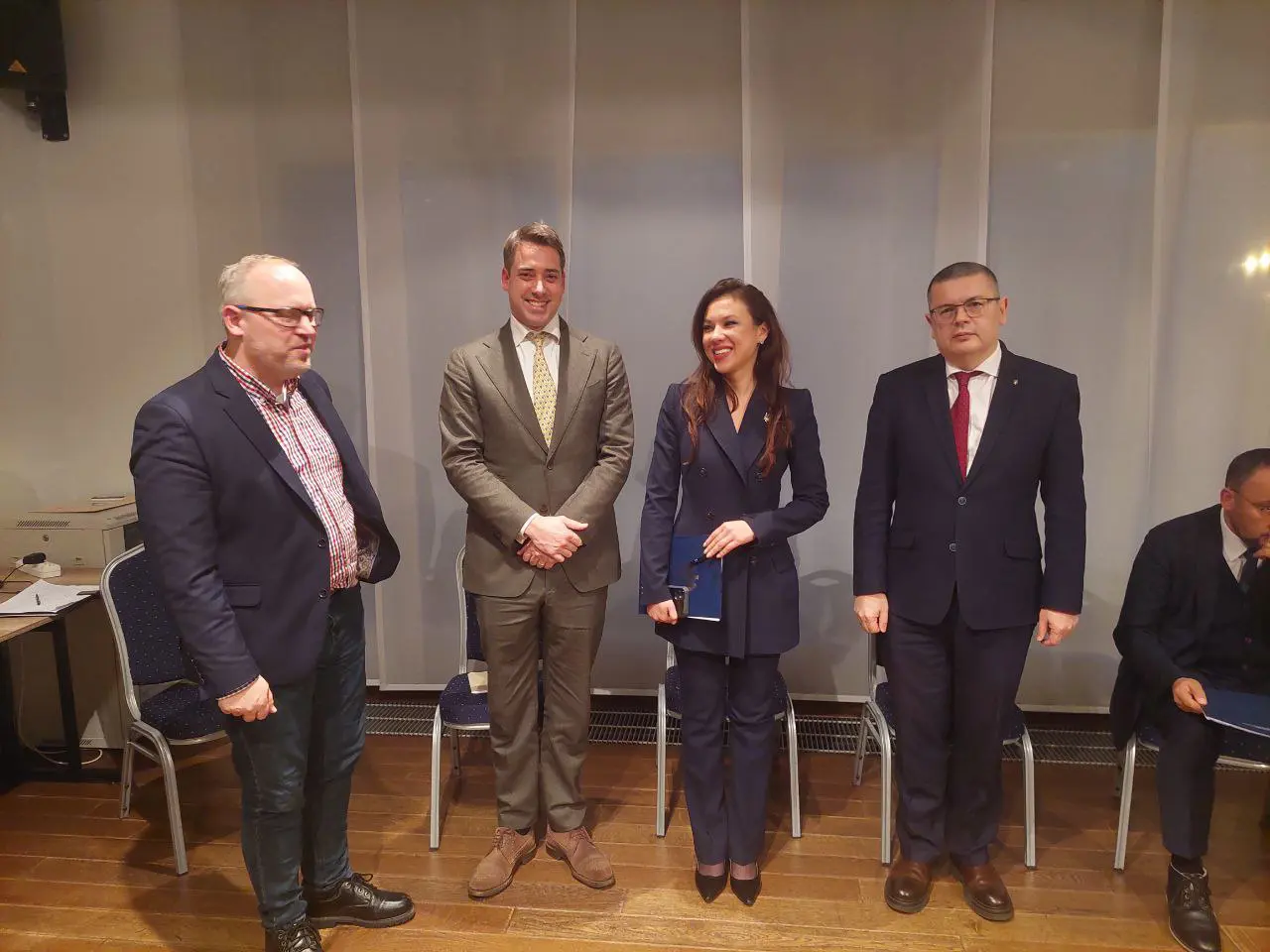
The constructive discussion was moderated by the head of New Eastern Europe, Adam Reinhardt.
The second panel on the topic “Victory Plan for Ukraine and military campaign of 2025: what can we expect? What are purposes of the Russian Federation and how to counteract them?”.
The discussion was attended by well-known representatives of the Ukrainian expert community, whose arrival was organized from Ukraine – Volodymyr Fesenko (analytical center Penta), Mykola Bielieskov (Foundation Return Alive), Victor Schlinchak (Institute of World Policy). Together with them, took place the Ukrainian expert Iryna Krasnoshtan (International Center for Ukrainain Victory) and the leading expert of the Polish state research institution PISM Daniel Szeligowski, who were in Warsaw at the time of the event.
At our invitation, the expert discussion was supported by an Estonian specialist Igor Gretskiy (Research Fellow, the International Centre for Defense and Security).
The discussion was moderated by the Director of the Eastern European Council Anton Naichuk.
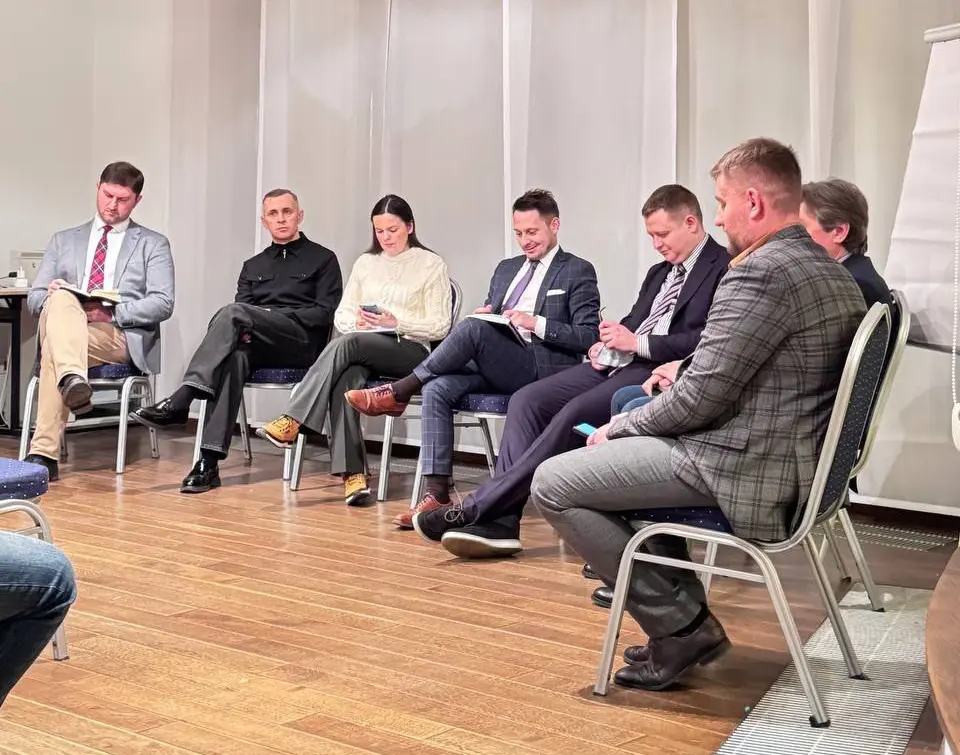
Ukrainian experts provided detailed information on the situation in Ukraine and the expectations of the Ukrainian side from Western partners. The participants discussed the important role of NATO in consolidating support for Ukraine, possible directions for strengthening interaction, and also expressed their own expectations regarding the policy of the D. Trump administration and the Governments of European countries.
On the 11th of December, 2024, on the second day of the event, a closed simulation game was held. East European Council expert Anton Naichuk and Civil Diplomacy Foundation Oleksandr Hnydyuk prepared extensive analytical reports on the economic, socio-political and military-technical situation in Ukraine and the Russian Federation. All participants received materials before the game began. Everyone was divided into teams so that they could assess the situation and give a forecast from the position of Ukraine, the Russian Federation and third countries.
At the first stage, the participants discussed the starting positions of Ukraine, the Russian Federation, European countries, the USA and China.
Ukrainian experts provided their own assessments of Ukraine’s ability to continue fighting and achieve the goals. Key conclusions: Ukraine is actively working to stabilize the front line, risks of the collapse of the front and strategic defeat of Ukrainian troops – are not observed, the Ukrainian side is experiencing problems with military and technical support, but is taking measures to correct them.
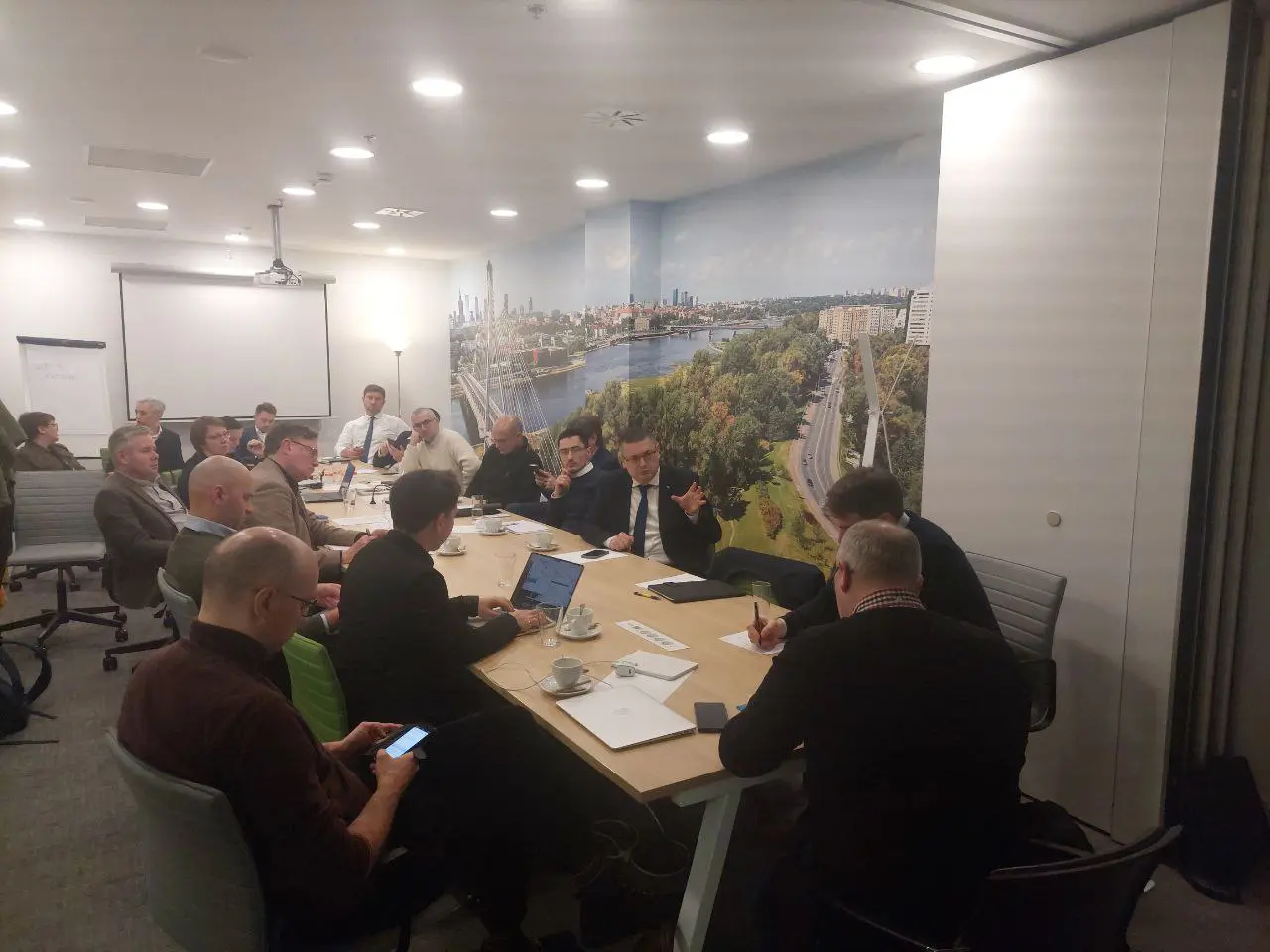
Experts responsible for the Russian Federation emphasized that the key issue is the ability of Russian troops to continue high-intensity military operations throughout 2025. Experts agreed that economic difficulties will be felt more strongly next year. There were predictions of an aggravation of the shortage of heavy equipment in the second half of 2025, which will negatively affect the potential for offensive actions of the Russian troops. Such a forecast is based on the fact that more than 80% of the equipment that come on the balance of the army is restored from warehouses, and the production of full-fledged new ones is limited due to the lack of technological capabilities. China could help with solution of this problem, so much will depend on the further intentions of the Chinese side.
An invited expert in the field of Russian-Chinese relations presented his own presentation on the strategy of official Beijing, noting that China is afraid of getting under sanctions, so they will behave quite cautiously in terms of helping Russia. China supports the Russian Federation politically, but doesn`t realize all expectations on the level of banking and technical support.
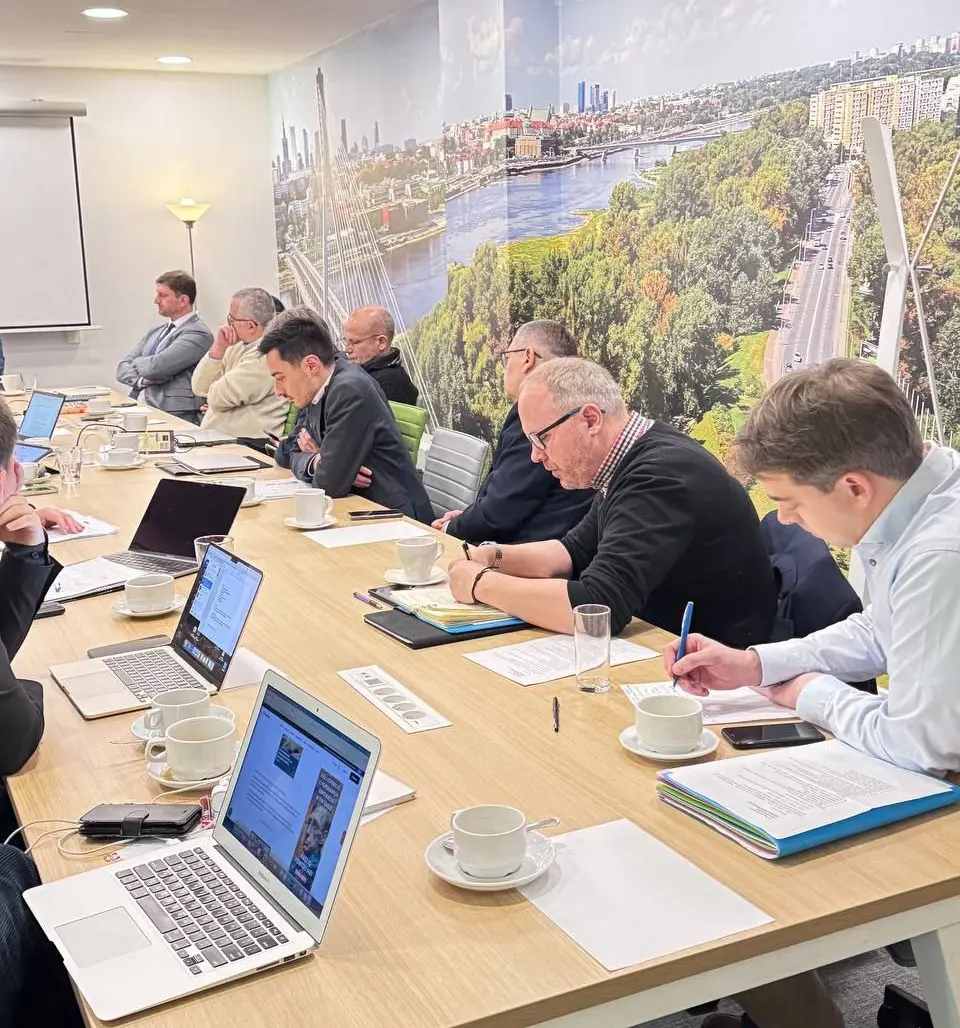
Significant attention was paid to potential actions by the USA, France, Germany and other European countries.
The moderators offered the participants several basic scenarios for the development of the situation, which they discussed and gave their own assessments of the actions of each country.
At the end of the game, three teams were given specially prepared questionnaires with probable scenarios of events and potential actions of Ukraine, the Russian Federation and other countries. The answers are in the final processing.
The final analysis based on the speakers’ theses and completed questionnaires will be provided within shortly on our website.