
The economic picture of the North Caucasus in 2025 reflects Russia’s federal economic trends, albeit in an exaggerated form. Due to its geography, ethnic structure, historical heritage, and degree of subsidization, the region amplifies the national signals, making them more contrasting.
Increasing sanctions pressure, a structural budget deficit, falling real incomes, technological backwardness, a reorientation of trade from West to East, and significant damage to fuel capacity by Ukrainian drones—all of this is having a sharp and often painful impact on the Caucasus republics. According to official data from the Russian Ministry of Economic Development, national inflation in 2025 reached 8.9%, real incomes fell by 4.7%, and investment outside the capital regions fell by almost 12%. These average figures mask a far more dire situation in Chechnya, Ingushetia, and Kabardino-Balkaria, where the decline in economic activity is felt in the mass exodus of young people, the rise of street employment, and the closure of small businesses.
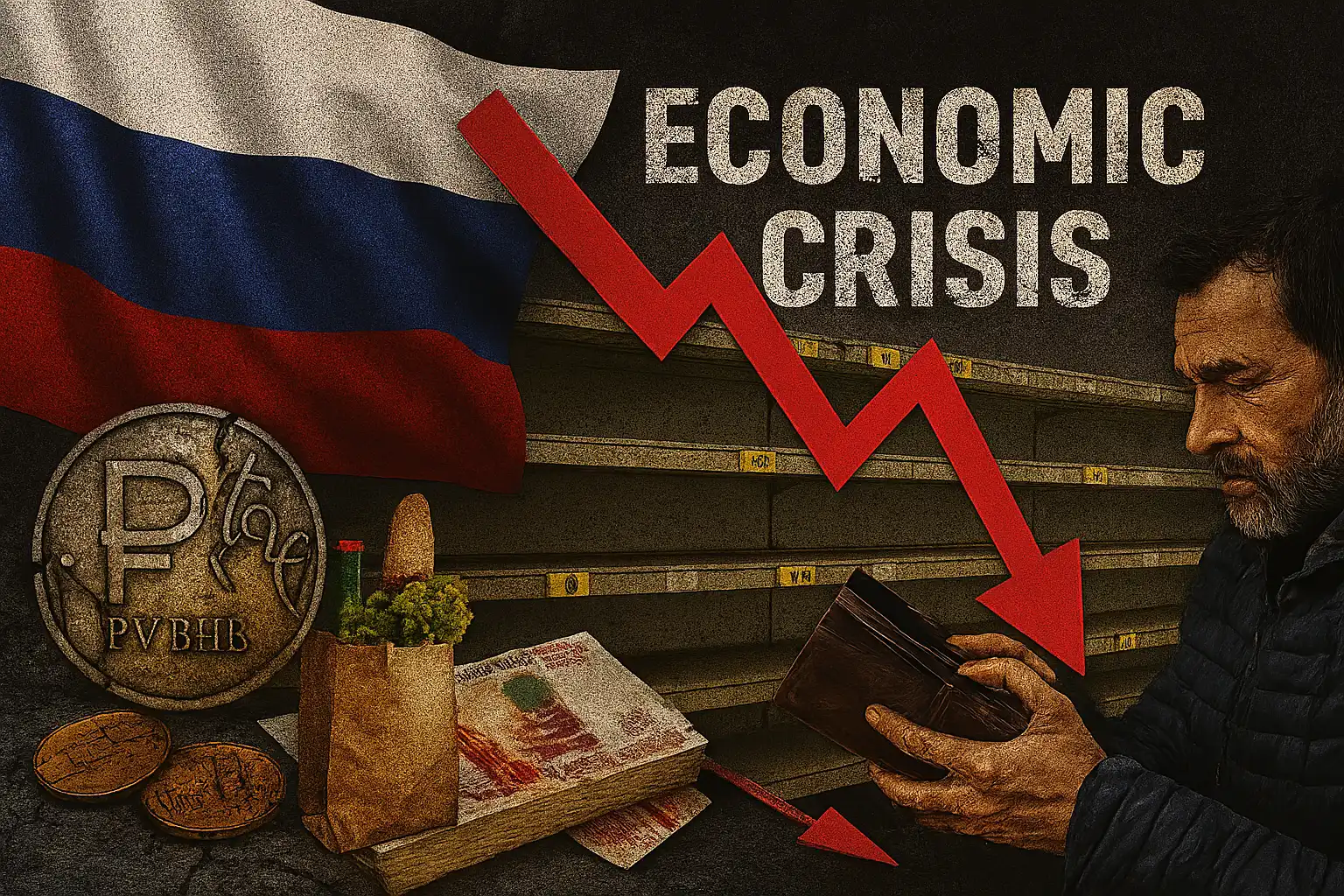
Officially, the authorities continue to claim that the situation is under control. Federal support through federal target programs, the Russian National Guard, and major infrastructure projects like the Kavkaz international highway or the modernization of the Makhachkala port allows for the semblance of control. However, behind the façade of reports, discontent is growing—from mundane complaints on instant messaging apps to local protests over utility prices, post office closures, or communications blackouts. These signals are particularly intense in Dagestan and North Ossetia, where online public groups are becoming a platform for controversial discussions.
Against this backdrop, two trends stand out. The first is hidden deindustrialization and the decline of formal employment. In many regions, such as Karachay-Cherkessia and Kabardino-Balkaria, the share of employed people in the economy is declining and shifting toward petty speculation, taxi driving, shadow retail, and microservices. A second trend is growing dependence on transfers. Despite all efforts to develop the processing industry and tourism, all the republics of the North Caucasus remain subsidized, and in Chechnya and Ingushetia, local budgets are largely made up of subsidies from Moscow.
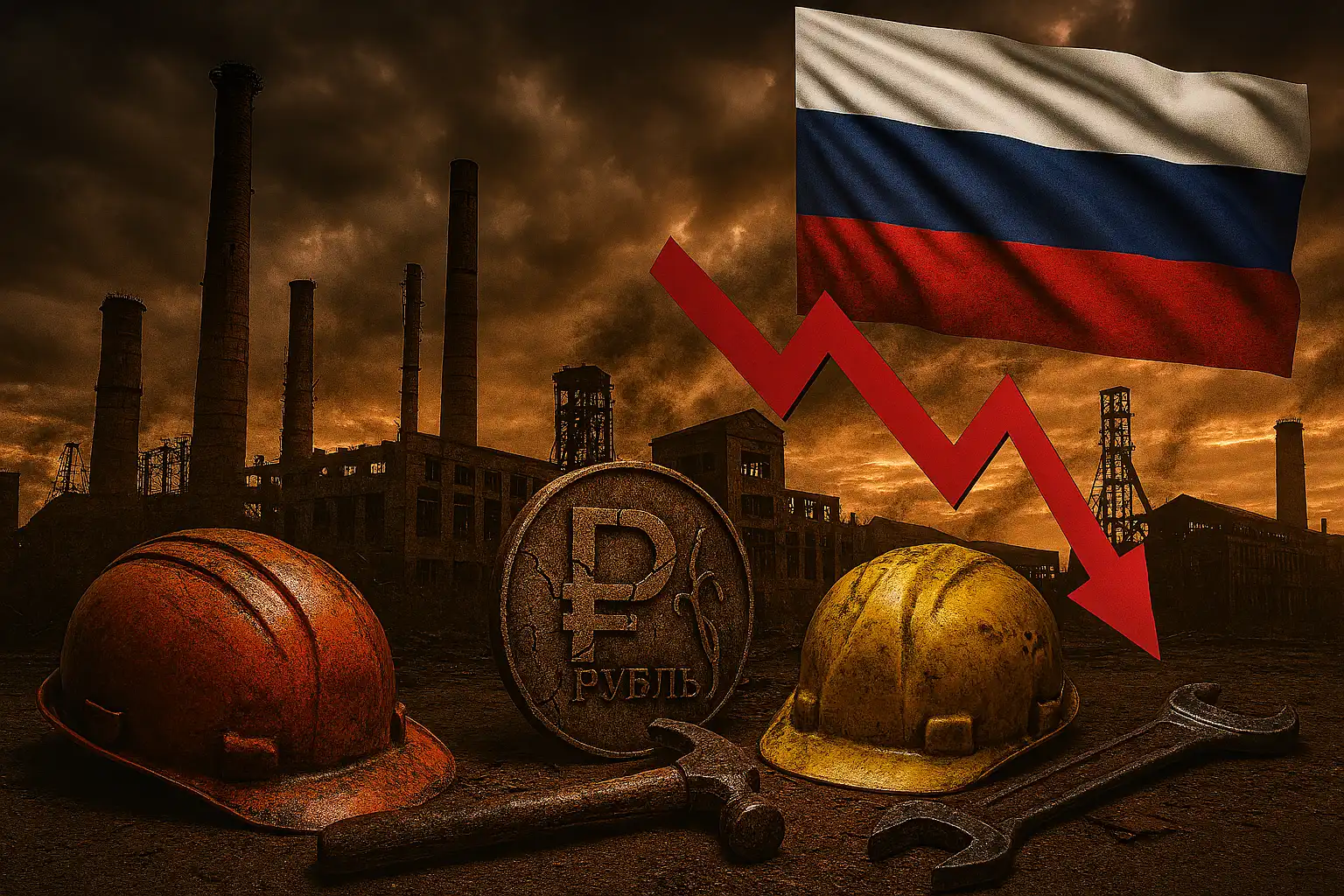
Geopolitical changes in 2025, such as increased external isolationism and the reorientation of foreign trade toward Iran, Turkey, China, and the EAEU countries, correlate weakly with the needs of the Caucasian republics. While the Russian federal center concludes deals to supply fertilizers or oil to Pakistan and China, small businesses in the Caucasus see no benefit. On the contrary, losses from the closure of Western markets, logistics sanctions, and technology outflow are impacting the availability of goods, medicines, and equipment. The very model of subsidized governance, which had seemed sustainable for the past two decades, began to falter in 2025. Regional administrations are increasingly facing resource shortages to pay public sector salaries, repair schools, and purchase fuel and medicine. This is particularly noticeable in the Stavropol and Krasnodar regions, traditionally considered strong agricultural regions, but this year faced disruptions in fertilizer supplies, reduced export quotas, and declining crop yields due to climate change.
Socially, migration outflow is intensifying. Young people are leaving en masse for central cities or abroad, leaving behind either pensioners or representatives of the security and bureaucratic apparatus. This is changing the internal structure of small towns and villages, disrupting local economic ties. The stability of regions now rests not so much on production or the domestic market, but on the loyalty of elites, the activity of religious organizations, and the ability of citizens to become self-employed.
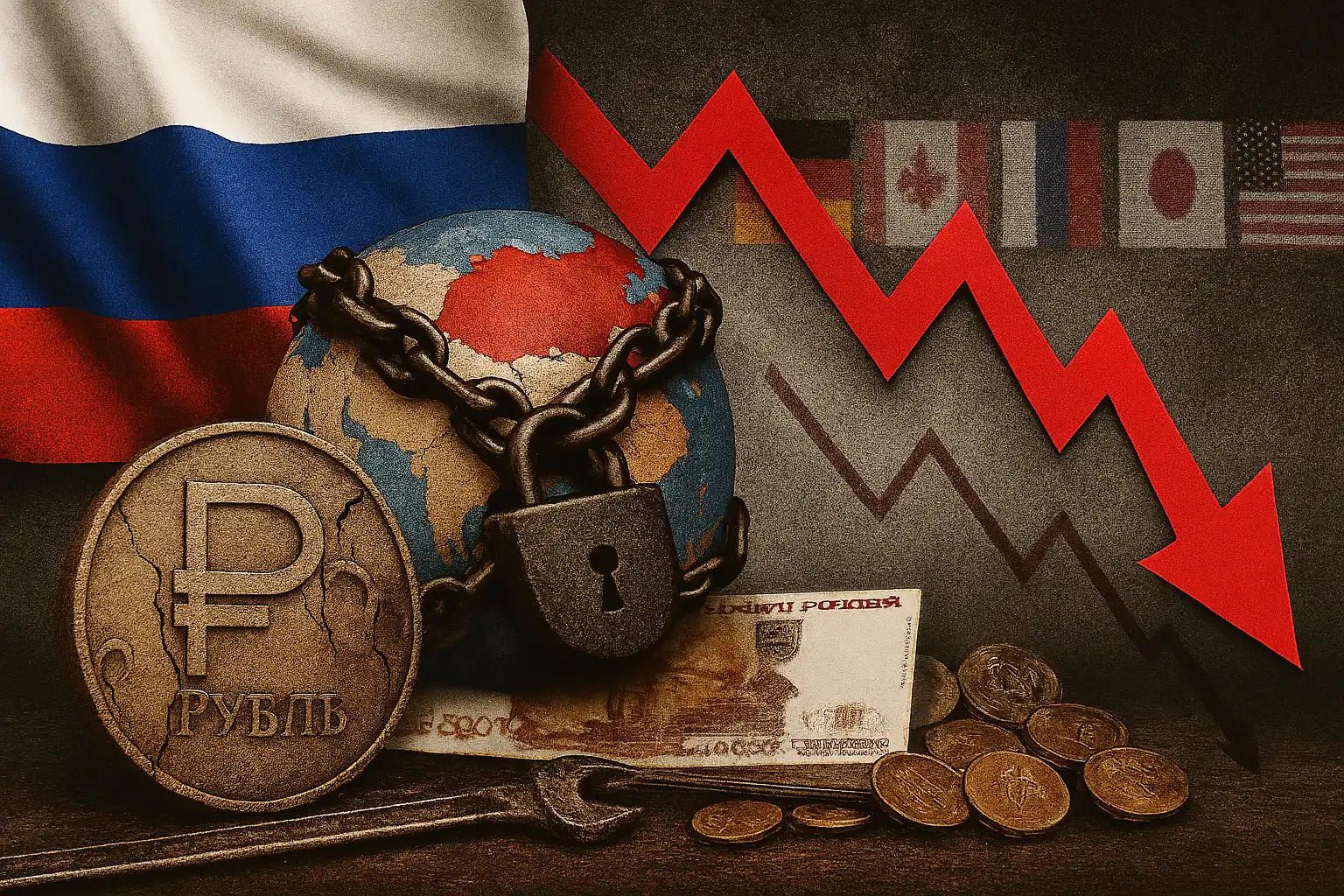
In 2025, the fuel crisis in Russia became one of the key factors exacerbating the economic situation in the regions, especially in the periphery. The sharp rise in gasoline and diesel prices, supply disruptions in rural areas, and fuel shortages for the sowing and harvesting seasons were particularly acute in the agricultural regions of the Southern and North Caucasus Federal Districts. Despite the government’s public assurances of reserves, local reports included queues at gas stations, rising prices in the private sector, and localized disruptions in the logistics of food and medicine, exacerbated by disruptions in communications caused by the blocking of traditional online business communications.
For the republics of the North Caucasus, where a significant portion of the population is employed in small-scale wholesale trade, private transportation, and agriculture, rising fuel prices have hit the very foundations of the daily economy. In Adygea and Kabardino-Balkaria, farmers complained of being unable to refuel their equipment during the spring and summer work. In Dagestan and Ingushetia, gasoline prices became a topic of discussion not only in regional media but also in closed Telegram channels of officials, who attempted to resolve the situation manually by organizing procurement through security agencies. In Chechnya, according to local public accounts, attempts were made to restrict the resale of fuel, leading to the growth of illegal supply channels. At the federal level, the crisis was driven by an imbalance between the domestic market and export pressure, as well as the destruction of infrastructure by Ukrainian drone attacks. Under sanctions, Russia began aggressively increasing petroleum product exports to Asian countries, including Iran, Pakistan, and China, to offset losses in foreign exchange earnings.
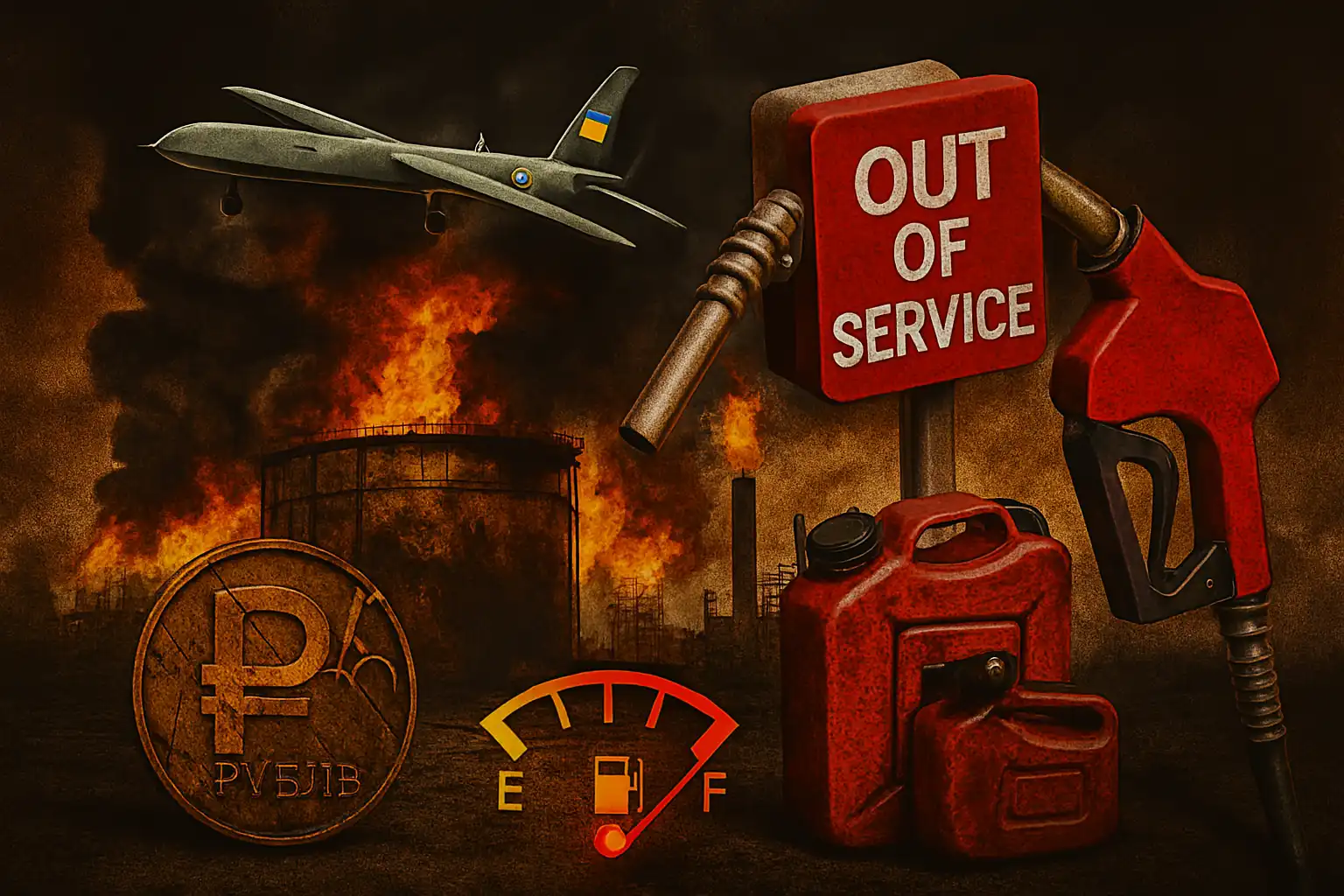
The situation worsened significantly by the fall of 2025, when an ongoing series of Ukrainian attacks on oil refineries and fuel storage facilities led to extensive losses in production and inventory. Experts estimate that by October, nearly 40% of Russian refinery capacity was idle, with approximately 70% of this due to damage from drones. Total oil refining volume by the end of September fell by almost 20%, and gasoline output by approximately 10%. Since domestic gasoline demand had previously been fully met by local production, any reduction in refining immediately resulted in a severe fuel shortage, estimated at at least 20% of monthly demand, or approximately 400,000 tons. Private independent gas stations proved particularly vulnerable, as they had not built up sufficient gasoline reserves due to the sharp rise in interest rates in 2025, to 17-20%, caused by the Central Bank of the Russian Federation’s key rate hike. This significantly hampered private businesses’ ability to procure fuel in reserve. As early as August, the first supply shortages were observed in the Far East and Crimea, and by autumn, shortages had spread to the Volga region, the North Caucasus, and the central regions.
Due to the shortage, fuel prices have risen significantly. Since the beginning of 2025, average gasoline prices in Russia have increased by approximately 10%. Retail prices have even reached record levels. In the North Caucasus Federal District, they exceeded 69 rubles per liter in mid-October, while the national average was approximately 64.8 rubles. In Chechnya and Dagestan, a liter of AI-95 gasoline was already asking around 74-76 rubles. Local wholesale gasoline prices are also breaking records, reaching 73,700 rubles per ton for AI-92. This is partly due to the lack of large refineries in the district, where fuel is primarily delivered from the Volga-Ural region. Therefore, any supply disruptions, especially after drone strikes on southern refineries, are particularly painful. Local consumers fear that rising fuel prices will lead to higher prices for food and other goods due to increased transportation costs. Regional authorities are urging consideration of seasonal factors such as tourism, harvesting, and temporary refinery breakdowns. Public reaction so far has been limited to complaints on social media and local public groups, but there have been widespread appeals to the authorities demanding that the situation be brought under control and fuel availability ensured.
The domestic market proved to be underserved, especially in regions where logistics are complex and retail chains rely on centralized supplies. Government attempts to impose temporary restrictions on fuel exports in the summer of 2025 had a short-term effect but failed to address the systemic problem. As a result, the situation in the Caucasus republics remained unstable, with prices on everything from food to public transportation rising. Against this backdrop, in October 2025, the Central Bank of the Russian Federation announced a half-percentage-point cut in the key interest rate, which failed to resolve the problem and appeared like an act of populism amid rising social tensions. Financial authorities are severely constrained by real economic problems, which prevent them from confidently lowering the interest rate to a level that is at least somewhat acceptable for businesses. The Central Bank of the Russian Federation openly states that it has no plans to make any significant reduction in the key interest rate by the end of 2026. The fuel crisis in Russia has reached truly serious proportions, and authorities fear the population’s economic discontent will escalate into political discontent.
This is particularly noticeable in Chechnya, which is stagnating, lacks transparency over federal funding, and remains heavily dependent on subsidies from the center. Federal officials have begun openly criticizing the Chechen authorities for their failure to develop, even compared to their North Caucasian neighbors. The situation is also worsening in the previously economically successful Krasnodar and Stavropol regions, where economic stagnation was first recorded in 2025, requiring additional subsidies from the center.
Russian federal authorities are attempting to resolve the situation with familiar methods, but on a new scale: corruption cases involving billions in confiscations of funds and real estate are helping to temporarily fill the budget. This policy allows Moscow to temporarily plug gaps and gain additional support from the population through the narrative of just punishment for previously infallible officials. We will write about this in a separate article. According to forecasts, if fuel exports continue at the current rate and drones destroy Russia’s fuel capacity, without radical measures to support and protect this industry, Russia could face a complete collapse of the fuel and energy sector by the spring of 2026. This situation will either lead to political unrest in the country or require federal authorities to take emergency measures, requiring a significant mobilization of forces and resources. Whether the current crisis will lead to such drastic scenarios remains to be seen.
Despite the appearance of stability, the domestic situation in the North Caucasus in 2025 reflects not economic growth, but rather the result of temporary closure amid increasing risk. This is driven by deteriorating access to education, the collapse of effective healthcare, the growth of the shadow economy and food prices, a fuel crisis, and growing public fatigue with conflicting signals from Moscow. If the Russian federal government fails to offer the Caucasus regions a new model of sustainable development with an emphasis on local initiatives, transparent subsidy mechanisms, and access to external markets, the region could become not only an economic but also a political trigger for tension.